
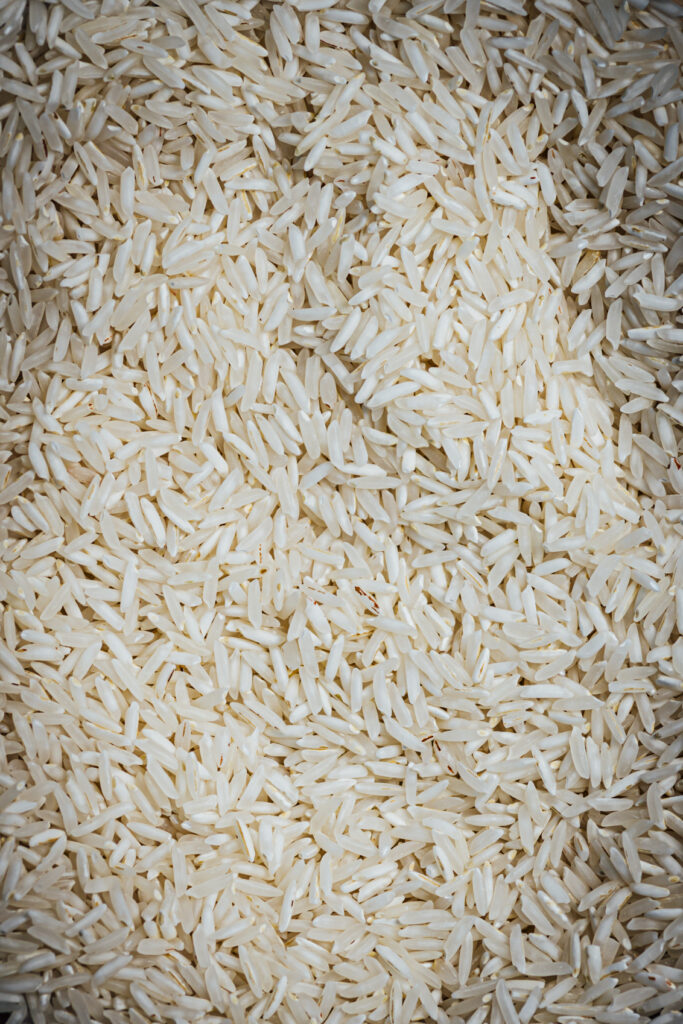
Basmati Rice: The Science, History, and Flavor of India’s Most Aromatic Grain
As someone who loves to cook and eat rice, I take my rice very seriously. It’s often the sun on my menu around which all other dishes orbit. Rice brings an incomparable comforting texture that goes with any meal; it counteracts the spiciness of dishes and helps carry the flavorful liquids of curries, dals, and stews. Rice can relax an upset stomach and calm things down. Even Paddington eats boiled rice with chicken when he gets a tummy upset. Yes, he eats basmati and knows the aroma all too well, judging by his wagging tail when I cook rice. He thinks that pot of rice is for him. Rice is the one grain I always have in stock in my pantry, and I think if you don’t already, you must rectify the situation.
Why Basmati Rice Is Different From Every Other Rice
Basmati is not just a variety of long-grain rice. It is a grain defined by genetics, geography, and a specific aroma compound that makes it unlike anything else in the pantry. The techniques that produce fluffy, separate, fragrant grains are not guesswork. They follow directly from the science of how basmati starch behaves under heat and water.
- Starch composition determines texture. Basmati and jasmine rice contain roughly 73% amylose, a starch molecule that does not gelatinize during cooking. This is why the grains stay long, separate, and fluffy rather than turning sticky.
- Aroma comes from a single molecule. The signature scent of basmati is driven primarily by 2-acetyl-1-pyrroline (2AP), the same compound responsible for the buttery smell of freshly popped popcorn and freshly baked bread.
- Aging concentrates flavor. Quality Indian basmati is aged for at least a year before sale. Aging reduces moisture content, which allows the grain to absorb more water and aroma during cooking.
- Salt suppresses aroma. Cooking plain basmati in salted water noticeably weakens its scent. When making simple boiled rice, skip the salt and let the 2AP come through.
What Is Basmati Rice?
The name basmati comes from two Sanskrit words: vas, meaning aroma, and mayup, meaning ingrained or present from the beginning. When combined, mayup softens to mati, producing vasmati, which people over time pronounced as basmati. You will also see it spelled Bansmatti, Bansmutty, Bansmati, Bansmuttee, and Basmatee, but basmati is the most widely used spelling today.
The global basmati rice market grew from $10.26 billion in 2022 to $11.65 billion in 2023, and demand is projected to keep rising over the next decade. That growth reflects a grain that has crossed well beyond its origins into kitchens all over the world.
Basmati is classified by minimum kernel dimension, aroma intensity, and specific cooking behavior: high volume expansion, long grain length after cooking, and a dry, fluffy texture. These traits are determined entirely by genetics. Scientists at NYU’s Center for Genomics and Systems Biology sequenced the entire basmati genome and found it is a hybrid of two rice types: japonica (the rice group from East Asia) and aus (a rice group native to Bangladesh).
A Brief History: From the Himalayas to Every Table
Basmati has been grown for centuries in the foothills of the Himalayas, in the regions that now make up northern India and Pakistan. The specific growing conditions of that belt, including the soil, altitude, and seasonal temperature swings, are considered essential to developing its characteristic aroma and grain length. Geographic origin matters so much that India and Pakistan have both pursued protected designation status for basmati in international markets, similar to how Champagne is protected for wines from a specific French region.
For centuries, basmati was the rice of celebration. It was the grain used in biryanis and pulaos for feasts, weddings, and religious occasions. Everyday cooking used shorter-grain, more affordable varieties. That distinction still holds in many households, though basmati has become widely available and affordable enough for daily cooking across much of the world.

From the book
Want to understand more than just rice?
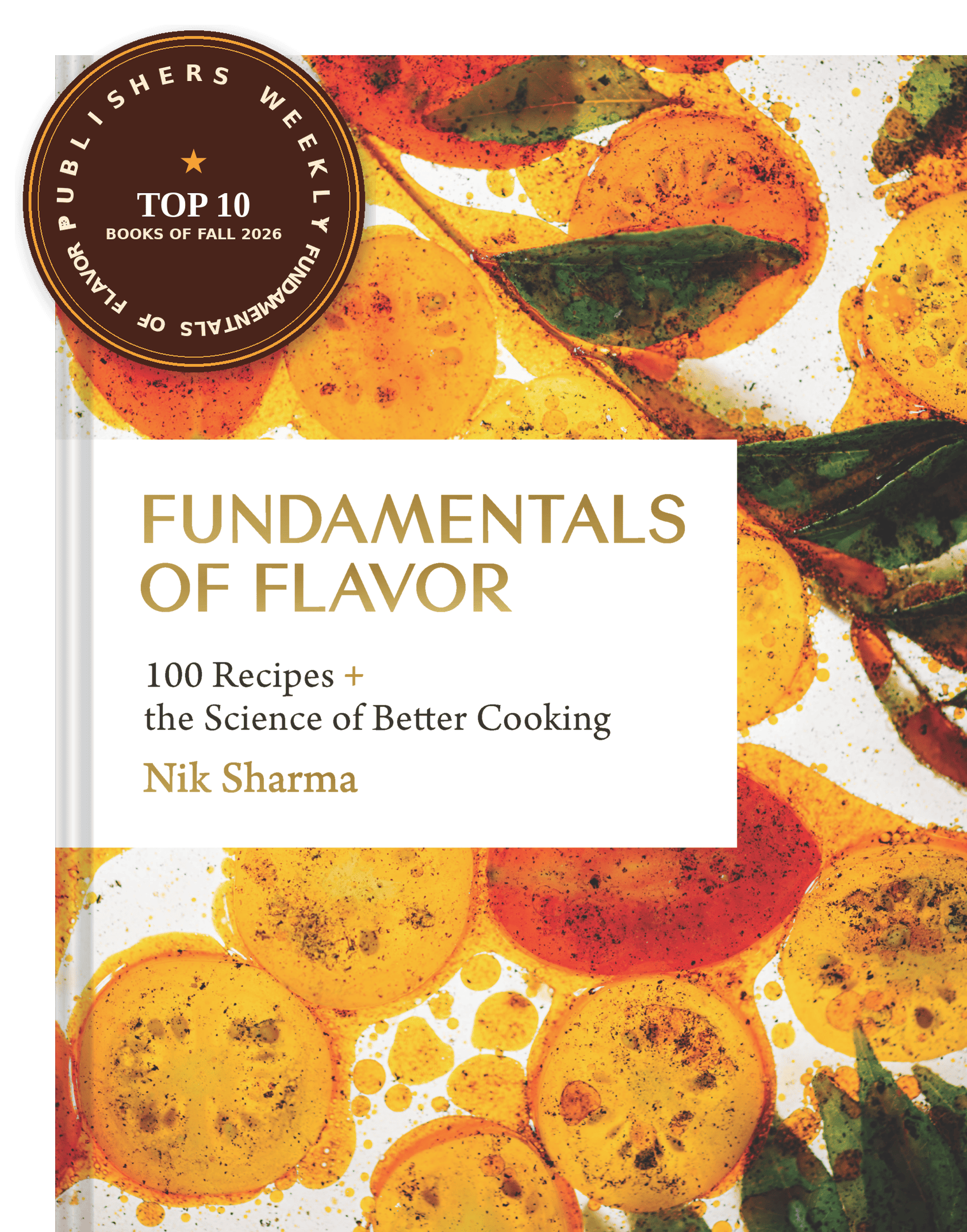
The starch, hydration, and aroma chemistry behind basmati rice are part of a larger story. In Fundamentals of Flavor, I explore how the elemental forces of Fire, Water, Air, and Earth shape everything we cook — from rice and beans to vegetables, bread, meat, and desserts.
Preorder Fundamentals of Flavor →100 recipes · Science-backed techniques · September 2026
The Flavor Science Behind Basmati Rice
1. Why Basmati Stays Fluffy and Separate
Starch is the key. All rice contains two types of starch molecules: amylose and amylopectin. Amylose has a long, linear structure that does not gelatinize easily during cooking. Amylopectin has a branched structure that gelatinizes readily, which is what makes short-grain and glutinous rice sticky.
Basmati and jasmine rice are high-amylose grains (approximately 73% amylose). When you cook them, the amylose chains stay relatively intact and the grains remain separate. Short-grain sushi rice and Thai glutinous rice are high-amylopectin grains. When their starch gelatinizes, the grains stick together, which is exactly what those dishes require.
This also explains why stirring basmati during cooking is a mistake. Agitation breaks the grains, and the damaged starch leaks into the cooking water, making it thick and gluey. Leave the rice alone and the structure holds.
2. The Aroma Molecule Behind That Scent
The singular fragrance of basmati rice is driven primarily by a compound called 2-acetyl-1-pyrroline (2AP). This same molecule is responsible for the buttery, nutty aroma of freshly popped popcorn and the warm smell of freshly baked bread. In basmati, the concentration of 2AP is determined by both genetics and the environment where the plant grows. Some varieties, like the Basmati 370 strain, carry a more robust 2AP concentration than others.
What I’ve noticed in my own cooking: when I cook plain basmati with only water and no salt, the aroma in the kitchen is dramatically stronger. Adding salt to the cooking water seems to suppress it. My working theory is that salt interferes with the volatility of 2AP, making it less perceptible. For plain rice, I skip the salt entirely. In a pulao or biryani where other spices are going in, salting the water makes sense because the cumulative aroma from all those ingredients is already doing the heavy lifting.
3. Why Soaking Matters
Soaking basmati rice for 30 minutes before cooking does a few things. It hydrates the outer layers of the grain, which shortens cooking time and reduces the risk of the exterior overcooking before the center is done. It also produces plumper, fluffier grains. After soaking, rinse the rice again under cold running water to wash off any surface starch that leached out during soaking.
One additional benefit worth knowing: research has shown that soaking dried grains removes a significant quantity of heavy metals that plants absorb from the soil during growth.
Note that soaking time and cooking time are inversely proportional. The longer you soak, the faster the rice cooks, but the risk of the grains falling apart also increases. Thirty minutes is the sweet spot for most cooking applications.
How to Buy and Store Basmati Rice
Look for basmati rice grown in India. Indian basmati is aged before sale, which matters for flavor and texture. Aging reduces moisture content in the grain, allowing it to absorb more water and express more aroma during cooking. Most quality basmati is aged for at least a year; the manufacturer handles this aging process.
You will also occasionally see broken basmati. In India, broken basmati was the everyday rice in many households, while whole-grain basmati was saved for special occasions. It is less common in Western markets but worth trying if you find it.
Store basmati in a large glass container with an airtight lid, away from sunlight, in a cool, dark spot in the pantry.
How to Cook Basmati Rice
Step 1: Rinse Rinse the rice in a fine mesh strainer under cold running water until the runoff is clear. This removes the fine “dust” that forms as dry grains rub against each other in storage. If that dust stays on, it will make the cooking water starchy and the grains will clump. Do not rub the grains with your hands while rinsing. The more the rice is agitated, the more starch leaks, and the water will stay cloudy no matter how long you rinse.
Step 2: Soak Soak the rinsed rice in cold water for 30 minutes, then discard the soaking water. After soaking, rinse once more under cold running water to remove any residual surface starch.
Step 3: Cook using one of two methods
The Absorption Method (everyday cooking) Combine 1 cup (200 g) rinsed and soaked basmati with 2 cups (480 ml) of water. The water should cover the grain by at least 1 in (2.5 cm). Bring to a rolling boil over high heat, then reduce to a simmer. Cover and cook until all the water has been absorbed and the grains are tender, 10 to 12 minutes. Remove from heat and let sit, covered, for 5 additional minutes. Fluff with a fork before serving.
The Parboiling Method (for biryanis and large-batch cooking) Combine 1 cup (200 g) rinsed and soaked basmati with 6 cups (1.4 L) of water in a large pot. Bring to a boil, then reduce heat to medium and cook for 6 to 7 minutes, until grains are partially cooked. To test, break a grain in half: the outer ring should be soft and translucent, the inner ring still opaque and firm. Drain and discard the water. Cover the pot with a clean kitchen towel or a double layer of foil, then place the lid over it (a heavy Dutch oven lid works best to create a tight seal). Return to the lowest heat setting and cook until the grains are completely tender, light, and fluffy, 10 to 15 minutes.
Step 4: The acid trick For extra insurance against sticking, add 2 to 3 tablespoons of fresh lemon or lime juice to the cooking water. Citric acid inhibits starch gelatinization, keeping the cooking water clear and the grains distinct. Note that in the absorption method, the acid will lightly flavor the rice. In the parboiling method, since the water is discarded, it has no effect on taste.
Complete Your Table
If you are cooking basmati, you are probably building a full Indian meal. Here are the recipes that belong on that table:
- Butter Chicken: The classic pairing. A velvety Kashmiri-spiced sauce that needs something to carry it, and nothing does that better than plain basmati.
- Cumin Rice / Jeera Pulao: When you want to do something with your basmati beyond plain boiled, this is the first recipe to learn. Cumin and black pepper are all it takes.
- Aloo Gobi: A dry, spiced potato and cauliflower sabzi that pairs perfectly with plain steamed basmati. The rice catches every bit of the masala.
- Vegetable Biryani: The parboiling method above was developed specifically for biryani. This is where to put that technique to work.
- Kachumber Salad: A crisp chopped salad of cucumber, tomato, and onion that cuts through the richness of anything else on the table.
- Indian Rice Pudding / Kheer: After you have mastered savory basmati, this is where the grain shows what it can do in dessert.
Frequently Asked Questions
Do I have to soak basmati rice before cooking? You do not have to, but it makes a noticeable difference. Soaking hydrates the grain evenly, which produces plumper, fluffier grains and reduces the risk of the exterior overcooking before the center is done. Thirty minutes is enough.
Why does my basmati turn sticky? The most common causes are not rinsing before cooking (surface starch stays on the grain), stirring during cooking (which breaks grains and releases starch into the water), or using too little water relative to the grain. Follow the rinse, soak, and no-stir approach, and sticky rice becomes a non-issue.
Should I salt the water when cooking basmati? For plain basmati, I recommend skipping the salt. Salt appears to suppress the volatility of 2AP, the primary aroma compound in basmati, which noticeably weakens the fragrance. If you are making a pulao or biryani with spices and other aromatics, salting the water is fine because those ingredients more than compensate.
What is the difference between the absorption method and the parboiling method? The absorption method cooks the rice to completion in a measured quantity of water that is fully absorbed. It is simpler and better suited to everyday cooking and pulaos. The parboiling method partially cooks the rice in a large quantity of water, drains it, then steams it to completion. It produces longer, more separate grains and is the traditional method used for biryanis.
Can I use a rice cooker for basmati? Yes. Use the absorption ratio of 1 cup (200 g) rice to 2 cups (480 ml) water. Rinse and soak the rice first, then cook on the standard white rice setting. Results will be good, though the parboiling method gives you more control for biryanis.
What brands of basmati should I look for? Look for Indian-grown basmati that has been aged. Brands like Tilda, Lal Qilla, India Gate, and Daawat are widely available and reliable. For the most aromatic options, shop at an Indian grocery store where turnover is high and the rice is fresh.
Is basmati rice gluten-free? Yes, basmati rice is naturally gluten-free.
How long does cooked basmati keep? Store leftovers in an airtight container in the refrigerator for up to 4 days. Reheat with a splash of water, covered, in a pan over low heat or in the microwave. Do not leave cooked rice at room temperature for more than 2 hours.
Enjoyed This Article?
The science behind basmati rice is just one example of how ingredients behave in the kitchen. In Fundamentals of Flavor, I explore the principles behind starches, proteins, fats, flavor compounds, and cooking techniques through 100 recipes and the elemental forces of Fire, Water, Air, and Earth.
More Basmati Rice Recipes to Cook At Home
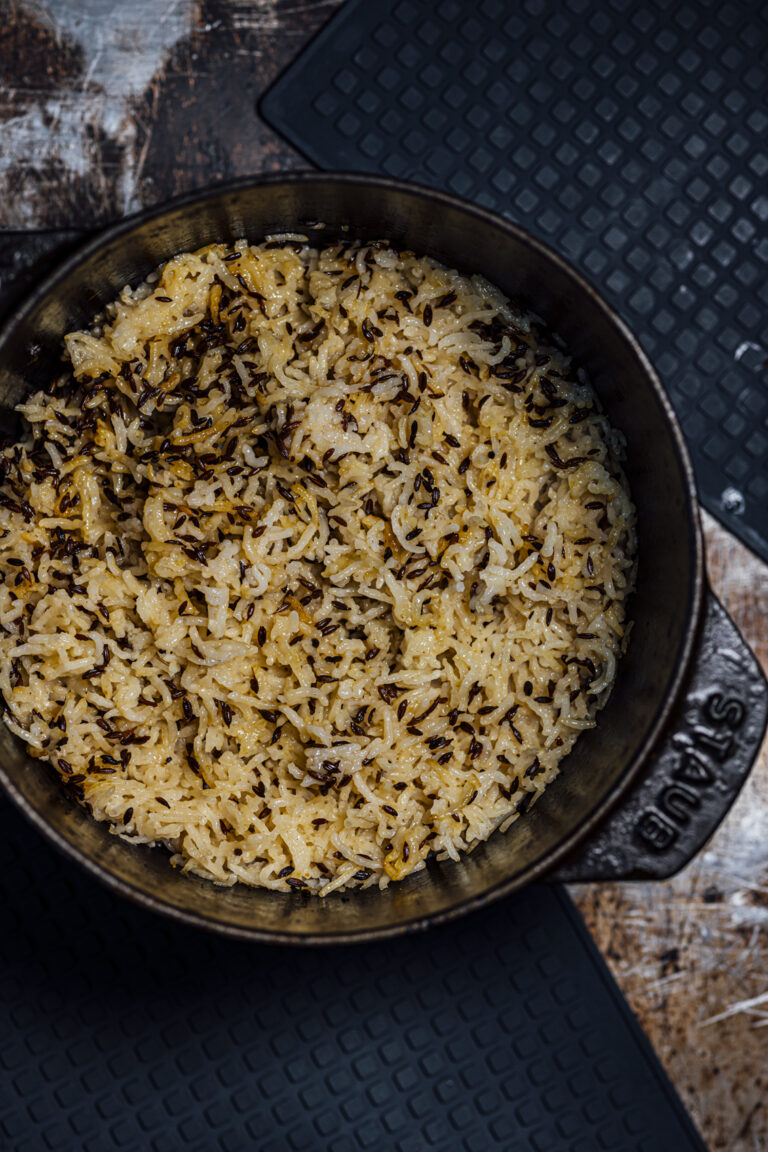
Cumin Rice/Jeera Pulao
This is one of the simplest Indian pulaos to make, and even though it uses only two spices for aroma, it is remarkably flavorful. Cumin and freshly ground black pepper amplify the flavor of the basmati rice. Serve this pulao with any Indian dish, like the butter chicken, dal, or saag paneer.
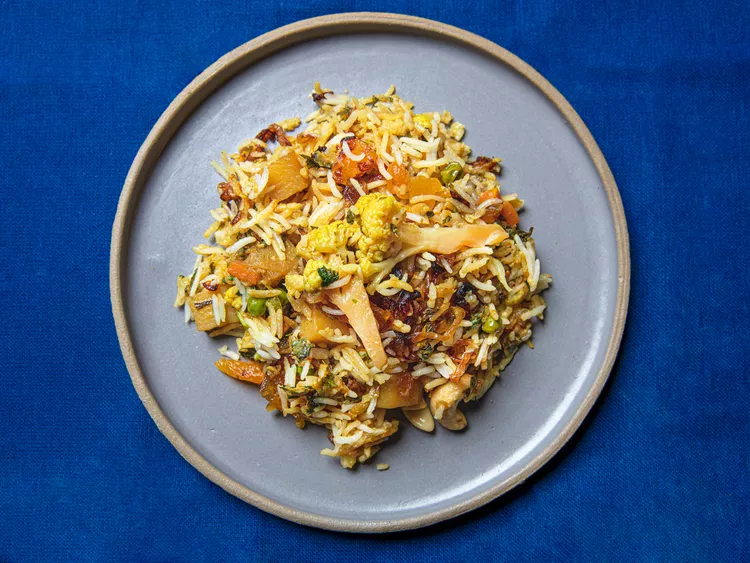
Vegetable Biryani
A biryani is meant to be extravagant. Brightly colored, intoxicatingly aromatic, and rich with flavor, biryani is often served at celebrations, and this is true not only of biryanis made with meat, like the lamb biryani I’ve written about previously, but also of vegetable biryanis, like the recipe below. Vegetable biryanis take far less time to

lamb biryani
A bit of exciting news, some of you might have noticed that I’ve been writing a lot more at Serious Eats, well I’m happy to share that it’s now officially a regular monthly column on food science. This month, I’m exploring the science behind yogurt based marinades and to kick it off I’m sharing my lamb biryani recipe. Get the recipe at Serious Eats.

herbed lamb pilaf
Pilafs or pulaos, whatever you might refer to them as, are the best one-pot meals. You can serve this herbed lamb pilaf for a special occasion or as an everyday meal.
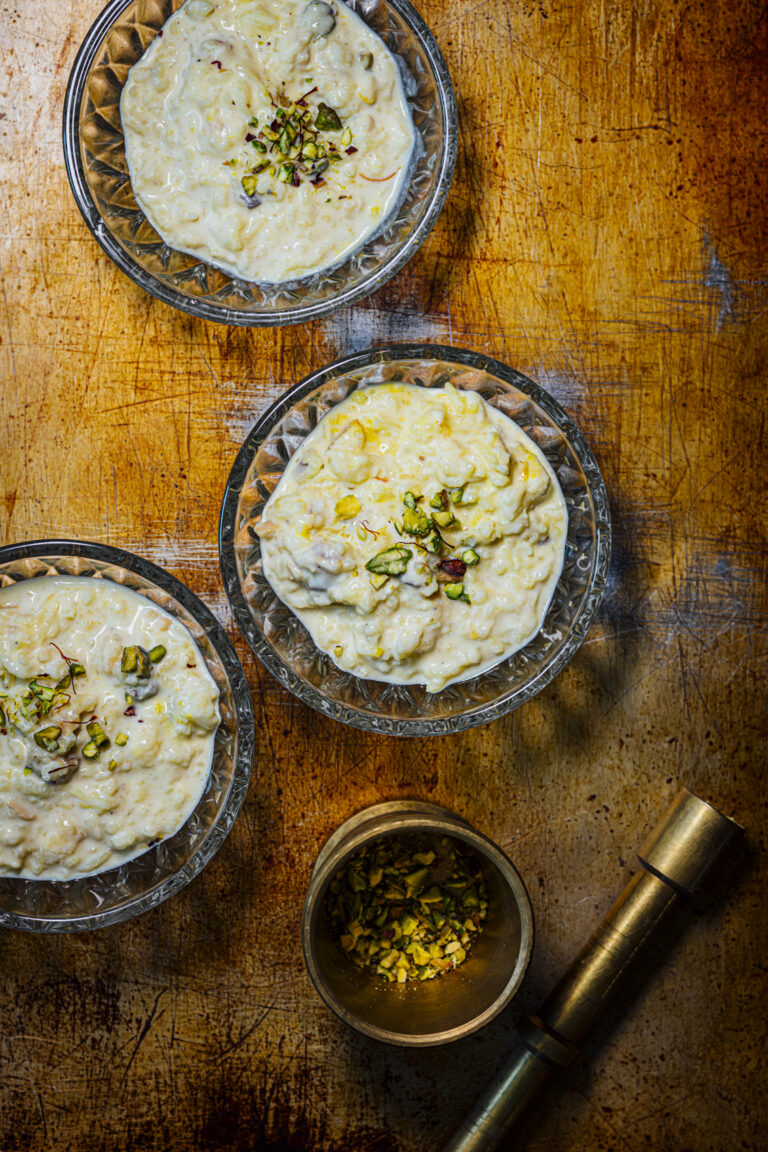
Indian Rice Pudding/Kheer
One of the classic and most iconic desserts in India is kheer. Many versions of kheer are served at celebrations and holidays, but the one made with fragrant basmati rice remains my favorite. I prefer cooking the rice in the milk; not only does this help the milk absorb all the aroma from the rice, but it also helps develop the consistency of the pudding. Serve at room temperature or chilled. It also makes a very good breakfast option.

3 Responses
Thanks, Nik, for everything you do and your cookbooks! Appreciate so much the science behind it. Just had your aloo gobi for lunch! Yum, yum! I’ll use my Zojirushi rice cooker to cook basmati next and see how it goes. It takes 45 minutes to cook rice so could be a bit too long?
Hi Janet, I am so happy you liked the aloo gobi recipe! And that is a very good question on the rice cooker. Rice cookers prefactor things like soaking time, type of rice, etc. so typically, following their recommended settings is the best way to go.
I loved this post! Your explanation of basmati rice and the cooking tips were super helpful. I never knew soaking it beforehand made such a difference in texture. I can’t wait to try out your recipe suggestions! Thank you for sharing!