
Kung Pao Sweet Potatoes
There are two foods that my husband, Michael, is extremely fond of: kung pao chicken and sweet potatoes. I’ve combined his love for both in this classic Chinese dish from the Sichuan province. Unlike the chicken, which is usually battered and fried, I stir-fry the sweet potatoes to bring out their sweet caramel flavor and then toss them with the sauce. Serve this warm with plain rice.
The full recipe for this dish is available in my cookbook, Veg-Table.
Kung Pao Sweet Potatoes: The Science, History & Flavor Behind the Dish
This kung pao sweet potatoes recipe transforms a Sichuan classic into a plant-forward dish that’s just as satisfying as the original. Sweet potatoes replace the chicken entirely, and the science of why that works is worth understanding. The natural sugars in sweet potatoes make them exceptional candidates for stir-frying. They develop both caramelization and Maillard browning at high heat, producing a layered, complex sweetness that holds up beautifully against the bold kung pao sauce.
If your stir-fried sweet potatoes turn out soft, steamed-tasting, or lacking depth, the issue usually comes down to heat management and moisture. Getting this right is what separates good from exceptional.
Why This Kung Pao Sweet Potato Recipe Works
Sweet potatoes are one of the best vegetables for high-heat cooking. Their sugar content gives them two browning reactions to work with, not just one.
- High heat drives caramelization and Maillard browning, creating surface complexity before the sauce goes in.
- A hot, dry wok or skillet prevents steaming and ensures the sweet potatoes develop a slightly crisped exterior.
- The kung pao sauce balances all four primary tastes: sweet from the sweet potatoes and hoisin, sour and salt from soy and vinegar, and the numbing heat of Sichuan peppercorns.
- Sichuan peppercorns don’t just add spice; they change how your palate experiences the entire dish.
What Is Kung Pao?
Kung pao (also written gong bao) is a dish from Sichuan province in China. It is traditionally made with chicken, dried chiles, peanuts, and Sichuan peppercorns in a sauce that balances sweet, sour, salty, and spicy. Historians trace the name to a Qing dynasty official, Ding Baozhen, whose title was Gong Bao, though scholars continue to debate how accurate that origin story is. What no one debates is the dish’s defining flavor profile: the combination of heat from dried chiles, the mouth-numbing quality of Sichuan pepper, and a glossy, tangy sauce is what makes kung pao unmistakable.
This version substitutes sweet potatoes for the protein and leans into their natural sweetness as a counterpoint to the heat and acid of the sauce.
The Flavor Science Behind Kung Pao Sweet Potatoes
Caramelization vs. Maillard: Two Distinct Reactions
Sweet potatoes are unusually rich in simple sugars, particularly sucrose and glucose. When they hit a very hot, dry pan, two distinct browning reactions occur.
Caramelization is the thermal decomposition of sugars. It begins around 320°F (160°C) for fructose and 356°F (180°C) for sucrose. As sugars break down, they form hundreds of new flavor compounds, including diacetyl (buttery), furans (nutty), and various organic acids. This is what gives properly stir-fried sweet potato its characteristic deep, almost toffee-like sweetness.
Maillard browning is a separate reaction between amino acids and reducing sugars. It begins at lower temperatures, around 280 to 300°F (138 to 149°C) under the right moisture conditions. The Maillard reaction produces a broader and more savory range of flavor compounds, including pyrazines (roasted, nutty) and furanones (caramel-like but with more complexity than caramelization alone). Sweet potatoes contain both the sugars and the amino acids required, so they participate in both reactions simultaneously when cooked at high heat with minimal moisture.
The practical upshot: a hot, dry wok or heavy skillet is essential. Too much moisture in the pan shifts the cooking toward steaming, which suppresses both reactions and leaves you with soft, flat-tasting sweet potato.
The Role of Sichuan Peppercorns
Sichuan peppercorns are not true peppercorns and do not produce conventional heat. They are the dried husks of the Zanthoxylum shrub, and their primary active compound is hydroxy-alpha-sanshool. Rather than activating the TRPV1 receptors responsible for capsaicin heat, sanshool acts on touch-sensitive nerve fibers. It produces the distinctive numbing, tingling sensation known as ma in Chinese. This is why Sichuan pepper feels different from chile heat: it’s more a tactile effect than a thermal one.
In a dish like kung pao sweet potatoes, this matters for flavor balance. The ma quality of Sichuan pepper doesn’t compete with the sweetness of the sweet potato the way capsaicin heat would. Instead, it opens up the palate, making the other flavors taste more vivid and distinct. It’s one reason kung pao dishes can carry significant chile heat without tasting aggressive. The Sichuan pepper is quietly recalibrating how you perceive everything else in the bowl.
For the best flavor, toast whole Sichuan peppercorns briefly in a dry pan before adding them to the dish or grinding them. Heat drives off the volatile aromatic compounds that give them their floral, citrusy top notes.
About Veg-Table
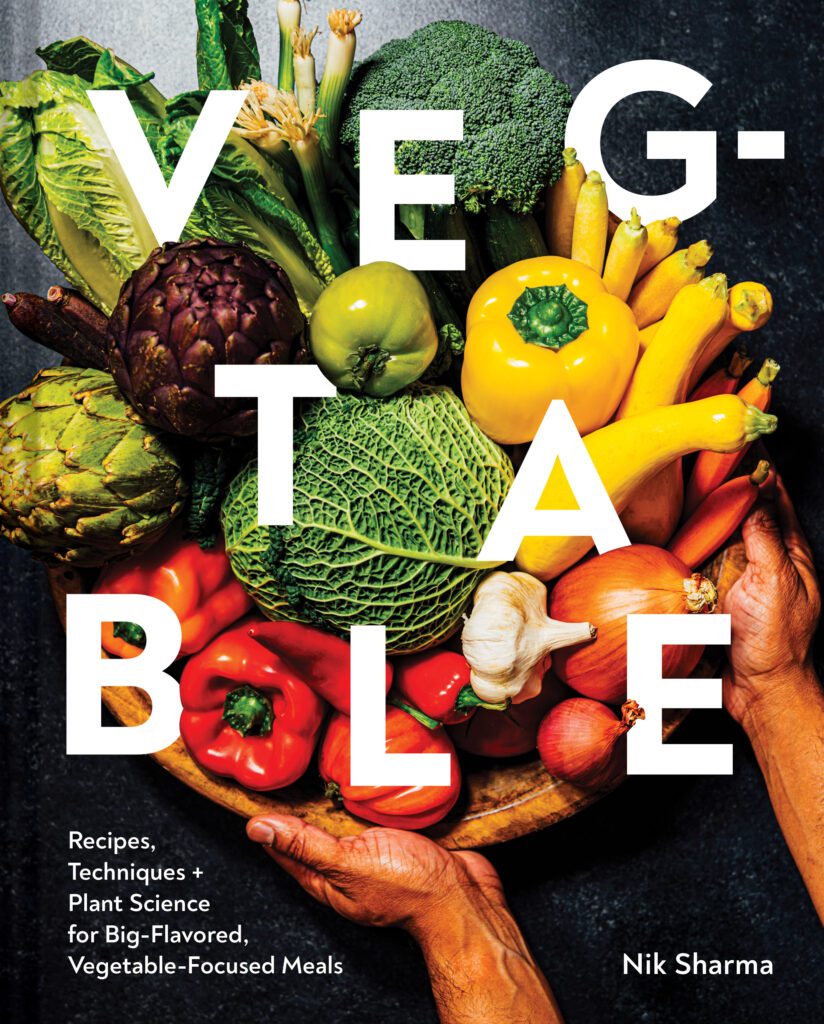
This kung pao sweet potatoes recipe comes from my cookbook Veg-Table: Recipes, Techniques + Plant Science for Big-Flavored, Vegetable-Focused Meals (Chronicle Books, 2023). Each chapter anchors recipes in plant biology and flavor science. Cook through it and you’ll understand not just what to do with a vegetable, but why each technique works.
Order Veg-Table on Amazon or find it wherever books are sold.
Print
Veg-Table/Kung Pao Sweet Potatoes
There are two foods that my husband, Michael, is extremely fond of kung pao chicken and sweet potatoes. I’ve combined his love for both in this classic Chinese dish from the Sichuan province. Unlike the chicken, which is usually battered and fried, the sweet potatoes are stir-fried to bring out their sweet caramel flavor and then tossed with the sauce. Serve this warm with plain rice.
The full recipe for this dish is available in my cookbook, Veg-Table
- Yield: 4
Ingredients
Make-Ahead, Storage & Reheating
Make-ahead: Measure and combine the sauce components in a small bowl before you start cooking. Kung pao sauce comes together quickly once you finish the sweet potatoes, so have everything ready before the wok goes on the heat.
Storage: Leftovers keep in an airtight container in the refrigerator for up to 3 days. The sweet potatoes will soften slightly as they sit and absorb more sauce, which many people find even better the next day.
Reheating: A hot skillet over medium-high heat for a couple of minutes revives the texture better than a microwave. Add a small splash of water or soy sauce if the sauce has thickened too much in the refrigerator.
Complete Your Table
If you enjoyed this kung pao sweet potatoes recipe and want more vegetable-forward cooking with a science lens, these posts are a good next step:
- Aloo Gobi: Indian potato and cauliflower with deep spice science, including how fat-soluble aroma compounds work.
- Kachumber Salad: A bright, acidic crunch that cuts through rich stir-fry sauces beautifully.
- Perfect Basmati Rice: The ideal base for kung pao sweet potatoes.
- Garam Masala: For when you want to explore how spice blends are built from first principles.
Frequently Asked Questions
Can I use a different variety of sweet potato? Japanese sweet potatoes (white-fleshed, drier, less sweet) hold their shape especially well under high heat and are worth trying. Orange-fleshed varieties like Beauregard or Jewel are more common and work perfectly in this recipe. Purple sweet potatoes are visually dramatic but have a slightly earthier, less sweet flavor that shifts the balance of the dish.
Can I substitute regular black pepper for Sichuan peppercorns? You can, but the dish will taste quite different. Black pepper produces conventional heat and doesn’t provide the numbing ma quality that makes kung pao distinctively Sichuan. If Sichuan peppercorns are not available, the dish is still good without them. Do not try to substitute a larger quantity of black pepper to compensate.
What can I use instead of dried red chiles? Red pepper flakes work as a substitute. Though the flavor is less aromatic. Start with about 1/2 tsp (2 g) per 2 to 3 dried chiles called for in the recipe and adjust to taste.
Is this dish vegan and gluten-free? It is naturally vegan. For gluten-free, check that your soy sauce is certified gluten-free or substitute tamari.
Where is the full recipe? The complete recipe for kung pao sweet potatoes, including exact quantities and instructions, is in Veg-Table. The book is available on Amazon and at major booksellers.