
Garam Masala: What It Is, How to Use It, and Why Homemade Tastes Better
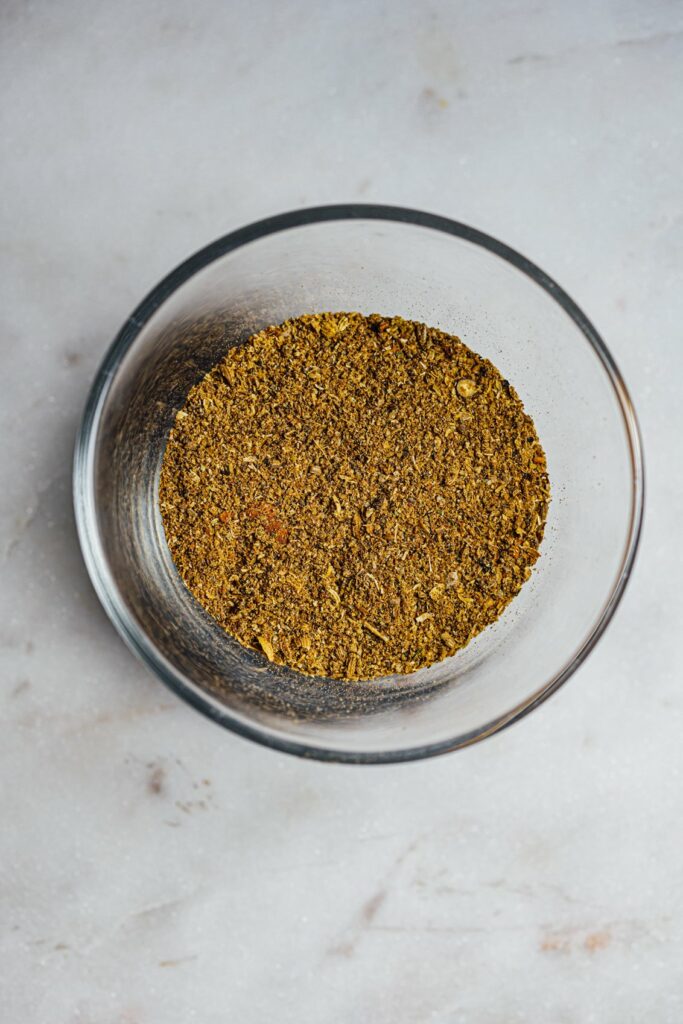
This homemade garam masala recipe gives you a fragrant, balanced spice blend that outperforms anything from a jar. It comes together in under 10 minutes with whole spices you toast and grind yourself, and it will change the way your Indian cooking smells and tastes.
If your garam masala smells flat, fades quickly in cooking, or just doesn’t taste like the Indian food you love at restaurants, the problem almost always comes down to freshness and the quality of the whole spices you start with.
Why This Garam Masala Recipe Works
Garam masala is vegetarian, vegan, and gluten-free, and it’s one of the foundational building blocks of Indian cooking. Understanding why homemade is better comes down to one principle: aroma molecules are volatile. Pre-ground spices lose those molecules quickly after grinding. When you toast whole spices and grind them yourself, you release those compounds at the moment you need them, and the difference in your cooking is immediate.
- Toasting whole spices first drives off moisture and activates fat-soluble flavor compounds.
- Grinding just before use captures volatile aroma molecules before they can escape.
- Adding garam masala at the end of cooking (as in aloo gobi and butter chicken) preserves those delicate top notes.
What Is Garam Masala?
Garam masala translates loosely from Hindi as “warm spice blend.” The word garam means warm or hot, and masalameans spice mixture. But this warmth refers to the warming quality of the spices themselves rather than heat in the chili sense. Garam masala typically contains no chili at all.
It is one of the most versatile spice blends in Indian cooking: used as a finishing spice, stirred into marinades, bloomed in oil at the start of a dish, or added mid-cook. Unlike a curry powder, which is often used as the base flavor of a dish, garam masala is more commonly a layering agent, added to build complexity at different stages of cooking.
A Note on Regional Variation
There is no single authoritative garam masala recipe. The blend varies significantly by region, family, and cook. Northern Indian versions, particularly from Punjab, tend to include warming spices like cinnamon, cloves, and black cardamom. Southern versions may incorporate coconut, curry leaf, or different pepper ratios. Kashmiri garam masala leans heavier on cardamom and is rarely toasted. This recipe reflects a classic northern Indian profile.
The Flavor Science Behind Garam Masala
1. Why You Toast Whole Spices
Toasting serves two purposes. First, it drives off residual moisture, which can dull a spice’s aroma. Second, heat triggers the Maillard reaction in some spices, creating new flavor compounds through browning. For spices like cumin and coriander, a brief dry toast in a pan noticeably deepens their nuttiness before grinding.
The key is to keep the heat moderate and the time short. Overcooking whole spices in a dry pan can push them from fragrant to acrid. You are looking for the moment the pan smells alive, not the moment smoke appears.
2. The Role of Each Spice
- Cumin: Earthy, nutty, and savory. The backbone of the blend.
- Coriander: Citrusy and floral, it softens the heavier spices and adds brightness.
- Black pepper: Provides mild heat through piperine, distinct from chili heat.
- Bay leaves (Indian): Subtly clove-like, different in character from Mediterranean bay.
- Cinnamon: Sweet and warming. Cassia works but true cinnamon is more delicate.
- Cloves: Intensely aromatic. Eugenol, the primary compound in cloves, is also the same molecule that makes allspice smell familiar.
- Black cardamom: Smoky and camphor-like. It grounds the blend and gives it depth.
- Green cardamom: Floral and citrusy, it provides lift and brightness at the top of the flavor profile.
- Nutmeg: Warm and slightly sweet. Added after grinding rather than toasted, because fresh-grated nutmeg is already aromatic and doesn’t need heat to release its compounds.
3. The Order of Operations Matters
Spices with different moisture contents toast at different rates. Larger, denser spices like cinnamon and black cardamom can handle a bit more time; small seeds like cumin and coriander move faster. Toasting them together in a single pan means paying close attention and swirling constantly to avoid burning the smaller spices while waiting for the larger ones to catch up.
Nutmeg is added after grinding because grating it fresh preserves the volatile aroma compounds better than toasting would.
Print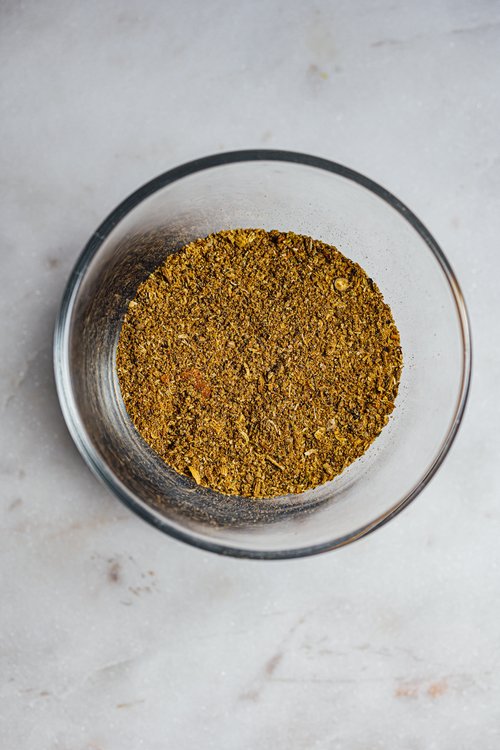
Garam Masala
Savory
- Yield: 25 g
Ingredients
2 Tbsp whole cumin
2 Tbsp whole coriander
1 Tbsp black peppercorns
2 dried bay leaves (preferably Indian)
One 2 in/5 cm cinnamon stick
12 whole cloves
1 whole black cardamom pods
3 to 4 green cardamom pods
1 tsp freshly grated nutmeg
Instructions
Heat a small dry stainless-steel skillet or saucepan over medium-high heat. Turn the heat to medium-low and add the cumin, coriander, black peppercorns, bay leaves, cinnamon, cloves, and green and black cardamom pods. Toast gently by swirling the pan to circulate the spices until they turn fragrant, 30 to 45 seconds. Remove from the heat and transfer to a plate to cool completely. Once cooled, add the spices and ground nutmeg to a coffee grinder or spice mill. Grind to a fine powder. Transfer to an airtight container and store in a cool dark place for up to 6 months.

From the book
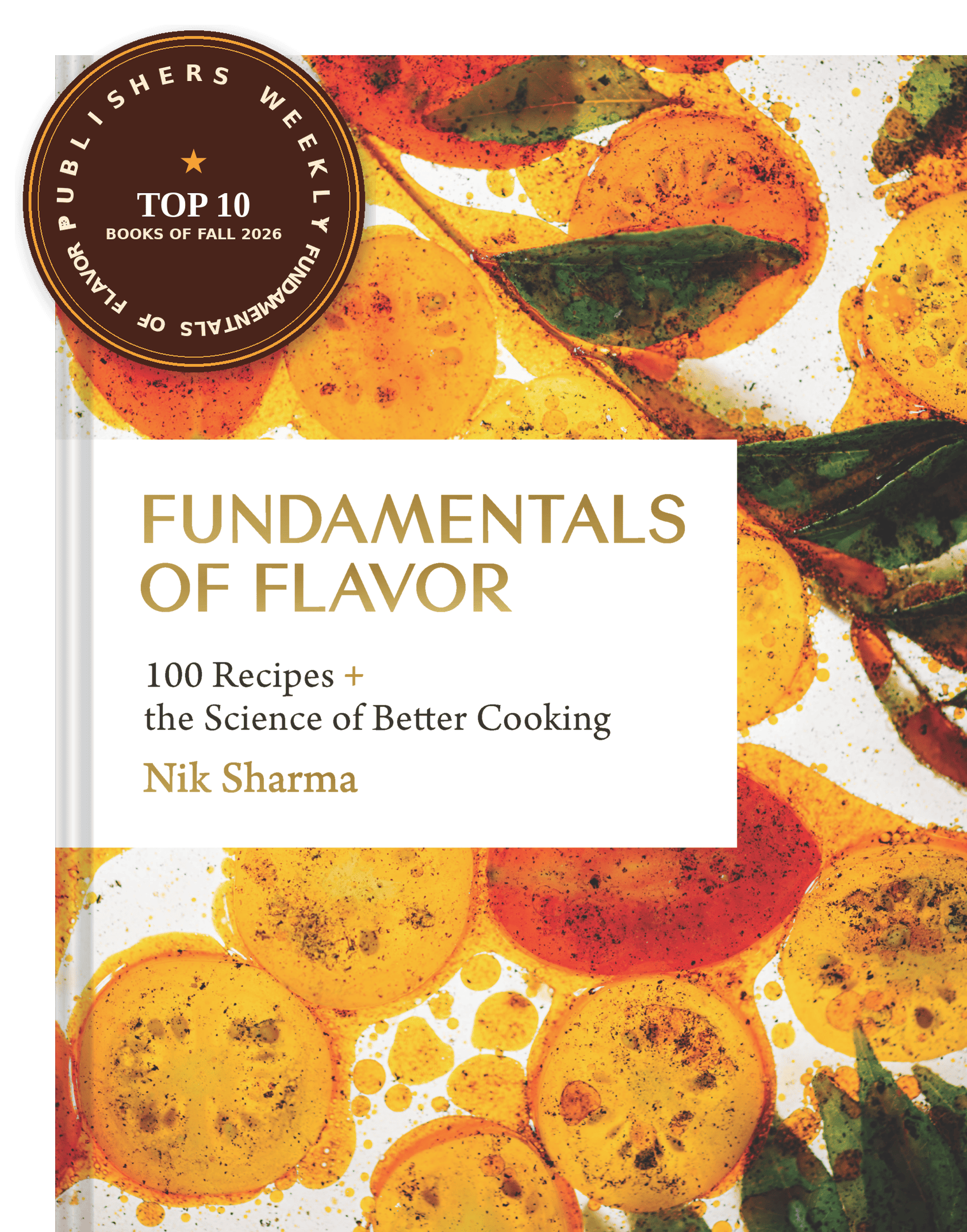
If you’ve ever wondered why certain spices taste good together, you’re asking the same question that inspired much of Fundamentals of Flavor.
Spice blends like garam masala work because they combine aromatic compounds that complement and reinforce one another. Understanding those relationships can help you season food with greater confidence and creativity.
In the book, I explore the science of flavor through 100 recipes and practical techniques designed to make you a more intuitive cook.
Preorder Fundamentals of Flavor →100 recipes · Science-backed techniques · September 2026
How to Use Garam Masala
Garam masala works differently depending on when you add it to a dish.
As a finishing spice: Stirred in off the heat or just before serving, the aroma stays bright and distinct. This is the technique used in aloo gobi.
In a marinade: Garam masala blooms in the yogurt or fat of a marinade, contributing flavor that penetrates the meat before cooking. See butter chicken for this method.
Bloomed in oil (tadka): Adding garam masala to hot oil at the start of a dish releases its fat-soluble flavor compounds into the cooking fat, where they carry flavor throughout the dish.
Using it in all three ways in a single recipe is not unusual and produces a layered result.
Make-Ahead and Storage
Homemade garam masala keeps well in an airtight container stored in a cool, dark place for up to 6 months. The aroma will be strongest in the first few weeks after grinding. After that, the blend is still usable but progressively less intense.
A few practical notes:
- Store in a glass jar rather than plastic, which can absorb and hold onto the aroma of strong spices.
- Keep away from heat sources like the stovetop. A spice drawer or pantry shelf is ideal.
- Label with the date so you can track freshness.
Complete Your Table
Garam masala is the backbone of some of the most beloved dishes in Indian cooking. Here are the recipes that use it best:
- Butter Chicken (Murgh Makhani): Uses garam masala in both the marinade and the sauce. A dish where the spice blend earns its keep.
- Aloo Gobi: Garam masala goes in at the very end to preserve its brightness.
- Goan Lamb Curry: A coconut-based stew where garam masala is bloomed in oil at the very start, building the aromatic foundation of the whole dish.
- Chaat Masala: Not a recipe that uses Garam Masala but another foundational spice blend worth making from scratch.
FAQ
Can I use store-bought garam masala instead?
Yes. A good store-bought blend works fine in most recipes. Brands like Everest, MDH, Diaspora Co., and Morton & Bassett are reliable options. Just know the flavor will be less vivid than freshly ground.
Do I have to toast the spices?
Toasting is strongly recommended. It takes about 45 seconds and makes a meaningful difference in depth of flavor.
Why are bay leaves listed as “preferably Indian”?
Indian bay leaves (tejpatta) come from the Cinnamomum tamala tree and have a subtly clove and cinnamon character. Mediterranean bay leaves (Laurus nobilis) are different in flavor, more eucalyptus-forward. Either will work, but the Indian variety is truer to the flavor profile.
Can I scale this recipe up?
Yes, it scales easily. Just keep the ratios consistent and make sure your grinder has room to work. A coffee grinder dedicated to spices is ideal.
How do I know when the spices are done toasting?
The pan will smell fragrant and alive, and you may see very faint wisps of steam from the spices. Pull them off the heat before they darken or smoke.

2 Responses
Hi Nik,
Nutmeg is a major migraine headache trigger for me. I can’t consume garam masala, unless I’ve made it myself and omit the nutmeg.
Is there an alternative/substitution you would recommend for those of us with intolerance to nutmeg/mace? For example, should I replace the nutmeg with cinnamon or another spice?
I would leave nutmeg and mace out of it and since the garam masala recipe already has cinnamon, there is no need to add more. Try all spice and see if that helps.