Understanding cooking principles, not just following instructions, is what separates a cook who can adapt to any kitchen from one who can only follow a recipe. Most cooking advice comes in the form of instructions: add more salt, cook it longer, use a hotter pan. Instructions work until you hit a situation the recipe didn’t anticipate, a different cut of meat, an oven that runs hot, a substitution you didn’t plan for. That’s the moment a recipe stops being useful and understanding why it works starts to matter.
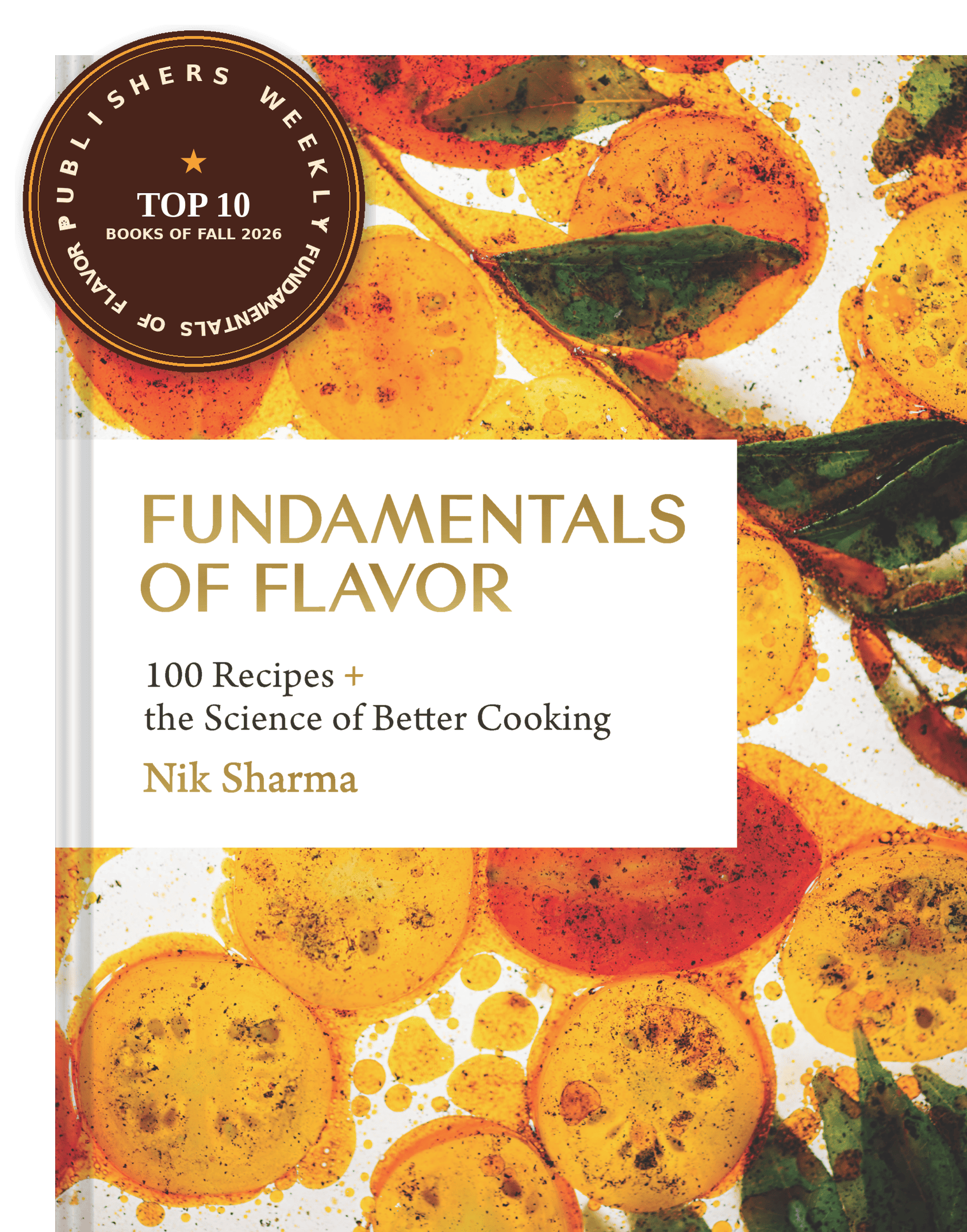
This is the idea behind almost everything I write now, and it’s the question that eventually became Fundamentals of Flavor: why does browning deepen flavor? Why does squeezing a lemon make a dish taste brighter rather than just sourer? Why do some ingredient pairings work and others never quite land? Once you can answer those questions, you no longer need a recipe to tell you what to do next.
Why Understanding Cooking Principles Works Better Than Following Instructions
This is the case for understanding cooking principles instead of memorizing instructions.
- Principles transfer, instructions don’t. A recipe that says “sear for 4 minutes per side” only applies to the exact pan, cut, and stove it was tested on. Understanding why searing browns meat (the Maillard reaction between proteins and sugars under heat) lets you adjust for a different pan or thickness without a new recipe.
- Troubleshooting requires knowing the mechanism. If a sauce breaks, a dough won’t rise, or a sear won’t brown, “follow the recipe again” doesn’t fix the problem. Knowing what’s actually happening (an emulsion failing, yeast that’s dead or too cold, a pan that isn’t hot enough) tells you what to actually change.
- Substitutions stop being guesswork. Once you understand what a fat, an acid, or a starch is doing in a dish, swapping one ingredient for another becomes a reasoned decision instead of a gamble.
- Confidence in the kitchen comes from understanding, not memorization. Cooks who know why a technique works can walk into an unfamiliar recipe, an unfamiliar kitchen, or an unfamiliar ingredient and still cook well, because they’re relying on principles rather than a script.
What Are Cooking Principles and Why Does Understanding Them Matter?
Cooking principles are the underlying forces at work in any dish, regardless of the recipe: heat, acid, fat, air, and time. Every recipe is really just a specific application of these forces to a specific set of ingredients. A stir-fry and a seared steak both rely on the same relationship between heat and protein, even though the recipes look nothing alike.
Recipes tell you what to do. Understanding cooking principles is important because it explains why things work, which is the difference between cooking a dish once and cooking without a recipe at all.

From the book
Curious about the science behind better cooking?
This is the exact question that led to Fundamentals of Flavor: not a recipe idea, but a habit of asking why. The book organizes a hundred recipes around four forces, fire, earth, air, and water, that explain why cooking works the way it does, so you can cook with understanding instead of just following instructions.
Preorder Fundamentals of Flavor →100 recipes · Science-backed techniques · September 2026
The Science Behind a Few Everyday Questions
Here’s what understanding cooking principles actually looks like in practice, using four questions almost every home cook has asked
1. Why Browning Deepens Flavor
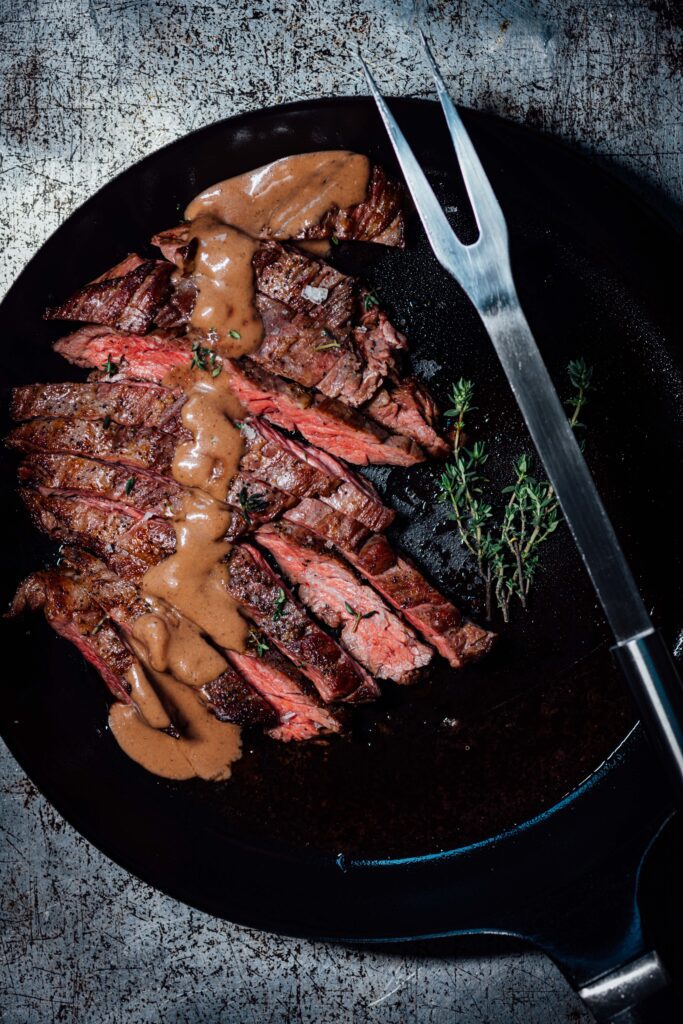
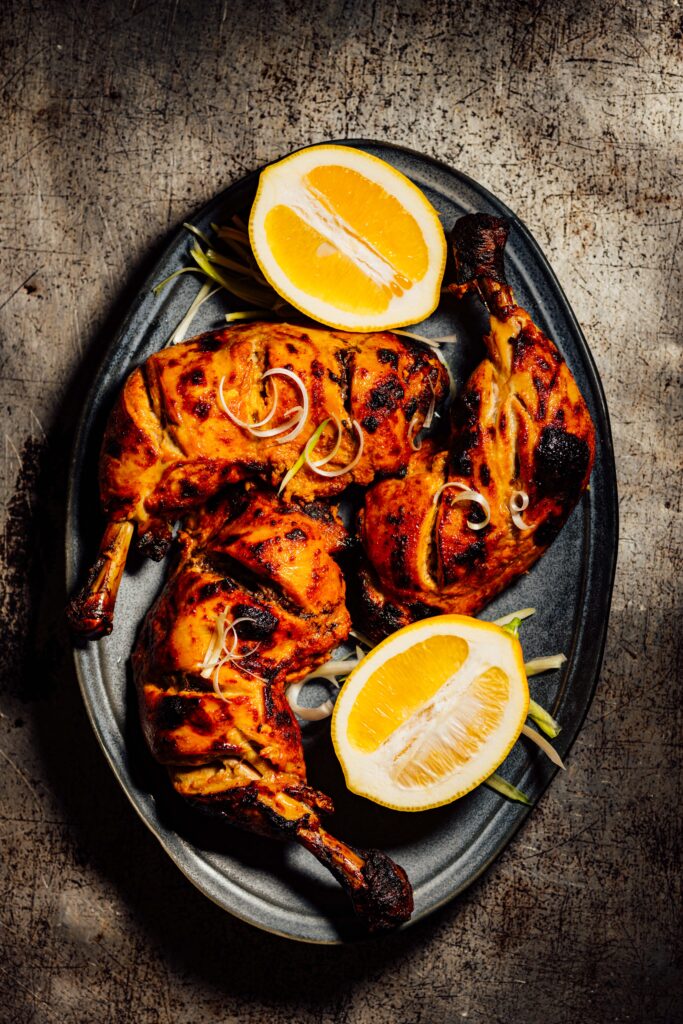
Browning isn’t just visual; it’s the Maillard reaction, a chemical reaction between amino acids and reducing sugars that occurs at high temperatures, typically above 280°F (140°C). This reaction produces hundreds of new flavor and aroma compounds that don’t exist in the raw ingredient, which is why a seared piece of meat or a well-toasted piece of bread tastes fundamentally different from its raw or boiled counterpart.
2. Why Acid Makes a Dish Taste Brighter
Acid doesn’t add flavor so much as it recalibrates how you perceive the flavors already there. A squeeze of lemon lowers a dish’s pH, sharpening the perception of other flavors and cutting through richness or fat, which is why a squeeze of citrus can make a heavy dish taste lighter without actually removing any fat.
3. Why Some Ingredient Pairings Work and Others Don’t
Ingredients that share overlapping aromatic compounds tend to taste like they belong together, which is part of why certain pairings (tomato and basil, chocolate and coffee) feel intuitive even before you understand the chemistry behind them. Fat-soluble aromatics, like those in many spices, also need fat present to fully release their flavor, which is why blooming spices in oil or butter extracts more of their fragrance than adding them directly to water.
4. Why One Small Change Can Alter an Entire Recipe
Recipes are systems, not checklists. Change the ratio of fat to flour in a dough, and you change its structure. Change the temperature a protein is cooked at, and you change which proteins denature and when. A recipe’s steps only work in relation to each other, so altering one variable, temperature, timing, ratio, without accounting for how it affects the rest of the system is why small changes can produce disproportionately large results.
From the book
Curious about the science behind better cooking?
This is the exact question that led to Fundamentals of Flavor: not a recipe idea, but a habit of asking why. The book organizes a hundred recipes around four forces, fire, earth, air, and water, that explain why cooking works the way it does, so you can cook with understanding instead of just following instructions.
Preorder Fundamentals of Flavor →100 recipes · Science-backed techniques · September 2026
How to Start Understanding Cooking with Principles In Your Own Kitchen
Understanding cooking principles starts small. Here’s how to build the habit:
- Ask why, not just what. Next time a recipe tells you to do something, take a moment to ask why that step matters before moving to the next one.
- Notice what changes when you change one thing. Pay attention the next time you swap an ingredient, adjust a temperature, or change timing, and notice how the result shifts.
- Look for the same principle across different dishes. The same reasoning behind why you rest meat after cooking is the same reasoning behind why you let bread cool before slicing.