Caramelized Cabbage: High Heat, Sichuan Peppercorns, and the Science Behind a Great Side Dish
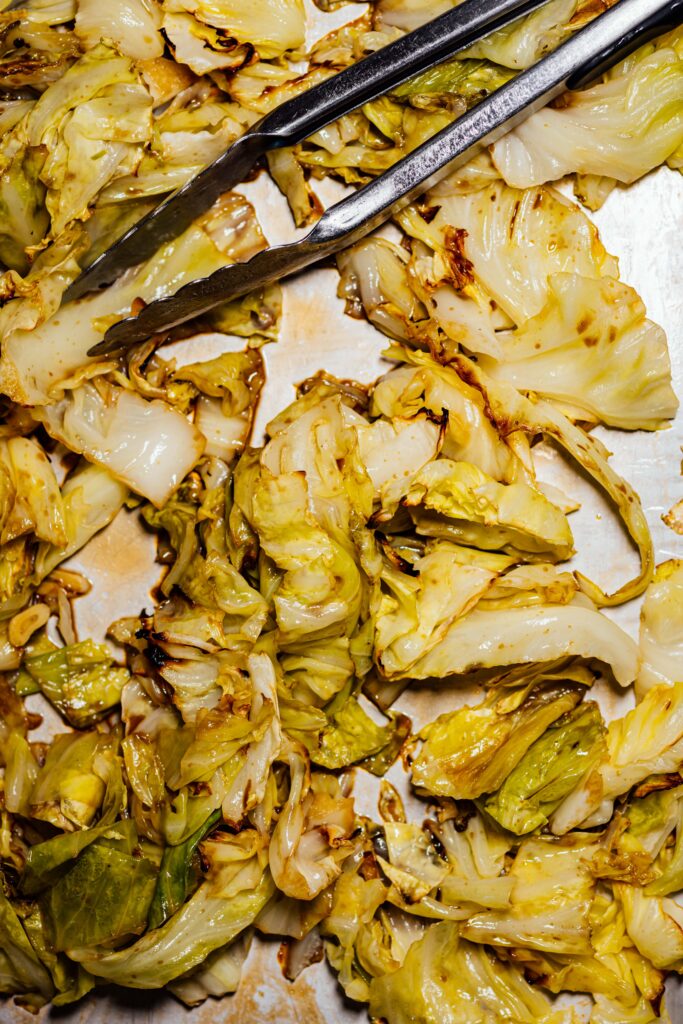
This caramelized cabbage recipe starts with one idea: extreme heat turns a humble vegetable into something deeply sweet, tender, and complex. The cabbage roasts on a rimmed baking sheet in a 500°F (260°C) oven, caramelizing at the edges while the moisture it releases keeps the interior from drying out. A Sichuan vinaigrette, balanced between sweet, sour, and savory, delivers the signature mouth-numbing tingle of Sichuan peppercorns in two forms. The result is one of those side dishes that ends up stealing the table.
This method came out of my experience cooking with an outdoor pizza oven, where intense radiant heat creates vegetable caramelization I can rarely replicate any other way. The home oven version, at full blast, gets you there.
The full recipe is available to paid subscribers of my newsletter, The Flavor Files. Below, I want to walk through why the technique works.
Why This Caramelized Cabbage Recipe Works
Cabbage is one of the most underestimated vegetables in the kitchen. Raw, it is crunchy and slightly sulfurous. Cooked low and slow, it turns sweet and soft. Cooked fast at high heat, the outer edges develop deep caramelization while the interior stays juicy from its own moisture. That contrast is what this recipe is built around.
A few structural decisions make it consistent:
Crowding the pan is intentional. Most sheet pan recipes tell you to spread vegetables out to avoid steaming. Here, the opposite applies. Packing the cabbage tightly creates a humid microclimate inside the pile, allowing the interior to soften while the exposed surfaces brown. Stirring every 15 minutes rotates new surfaces into contact with the hot pan.
500°F (260°C) is not optional. Caramelization and the Maillard reaction both require high heat. At lower temperatures, the cabbage will soften but it will not develop the color and flavor complexity that defines this dish.
The vinaigrette goes on at the end. Adding it while the cabbage is hot allows the warm fat to carry the volatile aroma compounds from the Sichuan peppercorns deep into the leaves.
The Flavor Science Behind Caramelized Cabbage
What Happens When Cabbage Caramelizes
Cabbage is roughly 92% water and contains sugars that begin to caramelize around 320°F (160°C). At 500°F (260°C), the surface of the leaves in direct contact with the hot baking sheet reaches that threshold quickly, triggering both caramelization (the thermal breakdown of sugars) and the Maillard reaction (the interaction between amino acids and reducing sugars that generates hundreds of new flavor compounds). The result is sweet, nutty, and slightly bitter in a way that raw cabbage never hints at.
The moisture the cabbage releases during roasting serves a second function: it steams the interior layers from within, cooking them tender without drying them out. This is why the crowded pan is the right call here.
How Sichuan Peppercorns Create Their Sensation
Sichuan peppercorns are not technically peppers. They are the dried husks of the Zanthoxylum shrub, and their defining character comes from a compound called hydroxy-alpha sanshool (HAS). Unlike capsaicin, which activates heat-sensitive pain receptors, HAS works by stimulating low-threshold mechanoreceptors, the nerve endings ordinarily responsible for sensing light touch and vibration. The result is the distinctive numbing, tingling, buzzing sensation that Sichuan cuisine describes as mala.
There is an important timing note with this dish: the numbing effect weakens as the dish sits. HAS degrades under acidic conditions, and most food is slightly acidic. The Chinese black vinegar in this recipe contributes to that acidity, which means leftovers will have a noticeably reduced tingle. Adding a drizzle of Sichuan peppercorn oil or a few freshly crushed peppercorns when reheating will bring it back.
This recipe uses Sichuan peppercorns in two forms: toasted and crushed for texture and up-front intensity, and as infused oil for fat-soluble aroma dispersal throughout the vinaigrette. Using both ensures the flavor distributes across the whole dish rather than landing only in isolated bites.
What Chinese Black Vinegar Contributes
Chinese black vinegar (Chinkiang vinegar) is made from glutinous rice and aged to develop a complex, malty, slightly smoky acidity that standard rice wine vinegar cannot replicate. It is less sharp than Western wine vinegars and adds savory depth alongside its acidity. It is also, as noted above, one of the factors that accelerates HAS degradation, which is why serving this dish fresh makes a real difference.
Get the Full Recipe
The complete recipe for this caramelized cabbage, including exact quantities, timing notes, and the full Sichuan vinaigrette, is available to paid subscribers of my newsletter, The Flavor Files.
If you are not yet a subscriber, you can join below and get the recipe along with a new flavor science tip every week.
Frequently Asked Questions
Can I use red or savoy cabbage instead of green? Red cabbage caramelizes the same way but bleeds color into the vinaigrette. Savoy works well and has a slightly more delicate flavor. Green gives the cleanest base for the vinaigrette to come through.
Why does the tingling sensation get weaker as the dish sits? Hydroxy-alpha sanshool (HAS), the compound responsible for the numbing-tingling sensation, degrades under acidic conditions. Because Chinese black vinegar is acidic, and most food is slightly acidic, the HAS breaks down over time. Freshly crushed peppercorns or additional peppercorn oil when reheating will restore it.
What does Sichuan peppercorn oil taste like? It carries the citrusy, floral, numbing aroma of Sichuan peppercorns in a fat-soluble form. It does not add heat the way chili oil does. The two are frequently used together in Sichuan cooking but are not interchangeable.
Can I make this vegan? It already is. Substitute agave or maple syrup for honey in the vinaigrette to keep it strictly plant-based.
What should I serve this with? This works well alongside plain steamed rice, a vegetable curry, or a simply prepared meat dish. The bold vinaigrette holds up best next to things that let it do the talking.
Complete Your Table
- Fried Rice with Pineapple: Sweet, savory fried rice that pairs naturally with the bold Sichuan vinaigrette.
- Sautéed Spinach: A quick Chinese-style stir-fry of garlic and greens that rounds out the table.
- Kung Pao Sweet Potatoes: Bold, spicy, and built on similar Sichuan flavors — get the recipe in my cookbook, Veg-Table.